AI And The Future Of Sustainable Fashion: Innovations You Need To Know
Tired of fast fashion waste? You want clothes that look good without hurting the planet, but the industry is messy. Tech is finally changing that. Here is how smart tools are making sustainable fashion a reality and what you should look for next time you shop.
Cutting Fabric Waste Before Production Starts
One of the biggest problems in the clothing industry is the sheer amount of trash created before a shirt even hits the store. Traditionally, designers make physical samples, ship them back and forth, and throw away the scraps. Smart software is changing this by moving the entire design process into a digital space.

Instead of sewing ten different versions of a jacket to see which one looks best, designers now use 3D modeling. These tools show exactly how a fabric will drape, stretch, and move on a human body. This means brands don't have to waste miles of cloth on test garments. When they are ready to cut the real fabric, algorithms act like a master puzzle-solver. They arrange the pattern pieces on the cloth so perfectly that almost zero fabric is left over.
How Smart Sizing Stops The Nightmare Of Returns
Have you ever ordered three sizes of the same dress because you weren't sure which would fit, only to send two back? Those returns are a disaster for eco-fashion. Most returned clothes don't go back on the shelf; they often end up in landfills because it's too expensive for companies to inspect and repackage them. Plus, the back-and-forth shipping creates a massive carbon footprint.
New AI-powered fit finders are solving this. Instead of a generic size chart, these tools ask you about your body shape or let you take a quick photo to create a 3D map of your torso. By comparing your data to millions of other shoppers, the software can accurately tell you that you are a Size 8 in one brand but a Size 10 in another.
When you shop at sustainable clothing brands, look for Virtual Try-On features. When you get the right fit the first time, you save yourself the hassle of a trip to the post office and keep a perfectly good garment from being wasted.
Predicting Trends To End The Overproduction Cycle
The secret reason fashion is so dirty is that brands make way too much stuff. They guess what will be popular six months from now, order 50,000 units, and if only half sell, the rest is burned or buried. This is where data-driven planning steps in to make sustainable fashion more efficient.
Smart systems now scan social media, weather patterns, and buying habits to predict exactly what people want. Instead of making one giant batch of clothes, brands can now work in micro-batches. They might make 100 shirts, see if people like them, and then make 500 more only if there is a real demand.
This shift moves us away from the pile-it-high-and-sell-it, cheap model. It encourages a more thoughtful approach to making clothes, where every item produced already has a home waiting for it. As a shopper, you might notice your favorite eco fashion labels doing more pre-orders. This is a great sign—it means they are only making what they know they can sell.
Finding New Eco-Friendly Materials With Tech
We all know about cotton and polyester, but the future of sustainable clothing lies in materials we haven't even thought of yet. Scientists are now using smart databases to blend plant waste—such as pineapple leaves, mushroom roots, or orange peels—to create new fabrics that feel like leather or silk.
Testing these materials used to take years. Now, computer models can predict how strong or soft a new plant-based fiber will be before it is even grown in a lab. This speeds up the process of getting these bio-fabrics into your closet.
Keep an eye out for brands that mention lab-grown or biosynthetic materials. These are often much better for the earth than traditional plastic-based polyesters because they can break down naturally at the end of their life. Choosing these materials is a direct way to support a cleaner version of the fashion world.
Making The Second-Hand Market Easier To Use
Buying used is one of the best things you can do for the planet, but digging through thrift stores or scrolling through thousands of messy online listings takes forever. Tech is making the circular economy much more user-friendly.
Resale apps now use image recognition to help sellers list their items in seconds. If you take a photo of a pair of boots, the app can often automatically identify the brand, style, and fair market price. For buyers, these tools act like a personal shopper, finding exactly what you want across dozens of different resale sites.
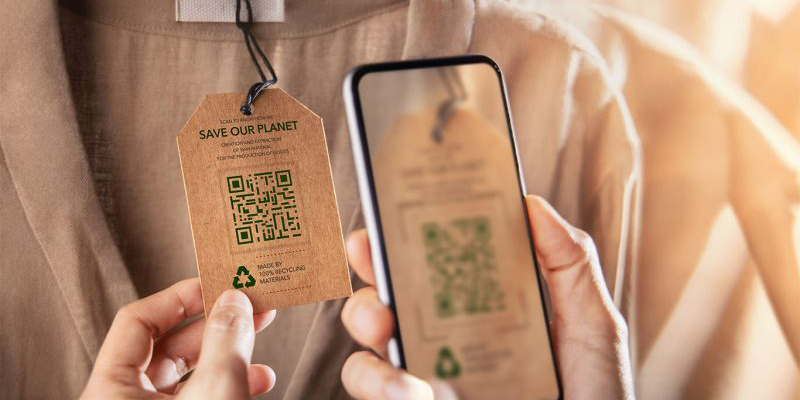
Some sustainable clothing brands are even building their own resale sections. They use digital passports (like a QR code on the tag) that tell you exactly where the shirt was made and what it's made of. This makes it much easier to resell the item later because the next owner knows exactly what they are getting. It keeps clothes in use for ten years instead of two.
How To Pick Truly Sustainable Clothing Brands
With so much talk about green tech, it's easy to get confused. Not every brand that uses a computer is eco-friendly. To find the real leaders sustainably, look for specific clues in how they use their tools.
1. Transparency over buzzwords: Does the brand show you a map of their factories? Real eco-friendly companies use tech to track their supply chain from the farm to the store.
2. On-demand production: Look for brands that say they make items to order. This is a huge win for the environment because it eliminates unsold stock.
3. Repair services: Some brands now use apps to help you book repairs. If a company helps you fix your clothes instead of just selling you new ones, they are likely the real deal.
4. Material honesty: Check if they use recycled or bio-based fibers. AI helps these brands ensure that their recycled polyester actually comes from recycled sources and isn't just a fake claim.
By being a bit more selective, you send a message to the industry. You show them that you care about the quality of the work and the health of the planet more than just getting a cheap deal.
Reviving The Human Touch In Fashion
The goal of all this innovation isn't just to make fashion high-tech—it's to make it human again. By using smart tools to curb overproduction, source better materials, and ensure a perfect fit, we can return to a time when clothes were made to last. You don't need a closet full of 100 cheap shirts; you need five or ten pieces of sustainable clothing that you actually love, and that fit you perfectly.
As these tools become more common, the price of eco fashion will continue to drop, making it accessible to everyone. We are moving toward a world where your clothes are designed for you, made from plants, and recycled back into the system when you're done with them. It's a cleaner, smarter way to dress that respects both the maker and the wearer.
Choosing a Better Path For Fashion
Choosing sustainable fashion is a simple way to turn your shopping habits into a force for good. By supporting brands that use smart tech to reduce waste and improve materials, you help keep plastic out of our oceans and reduce the need for oil. Your next favorite outfit could be designed digitally, fitted perfectly by an algorithm, and made from recycled waste—a cycle worth supporting for a cleaner future. By staying informed and picking quality over quantity, you help build a world where style and nature live in balance.
Related Posts
Boho Wedding Dresses Guide Popular Styles, Fabrics, and Tips for Choosing the Perfect Dress

How to Buy a Real Ethical Engagement Ring (Without Getting Fooled)
Why Cheap Clothes Are Actually Expensive in the Long Run

Best Sustainable Winter Jackets For Warmth And Everyday Wear

Microplastics: How Your Clothes Contribute And How To Reduce It